

Learn
Structured learning tracks and courses to expand your understanding and equip you for service.
 LEARN
Who Is Jesus to You?
Every voice holds a story of who Jesus is. Who is He to you?
 LEARN
Why We Love BGU
Alumni and students share why they love BGU.
 LEARN
Bachelors Degree Ad
Sample Video 2
 LEARN
Associate Video
demo video 3
 LEARN
Master Degree Ad
Sample video upload 1
 LEARN
What is the Difference Between Islam and Muslim | Basics of Islam #1
Islam vs Muslim: What’s the Difference? In this short video, we unpack a common confusion: the difference between Islam and a Muslim. Islam is the name of the religion that began with the prophet Muhammad in 622 AD, rooted in the Arabic word “salama,” meaning to surrender to God and His will. A Muslim is a person who has “surrendered” and follows the teachings of Islam, believing Muhammad is the final messenger from God.
 LEARN
What Is a Mosque (Masjid)? | Basics of Islam #2
In this video, Fouad explains what a mosque (Arabic: masjid) is and why it matters so much in Islam. A mosque is the place where Muslims gather to worship God, and the word masjid comes from the Arabic root sajada, which means to kneel or worship. You’ll learn how prayer in Islam is meant to be a community practice, why praying together is considered more rewarding than praying alone, and what typically happens inside a mosque.
 LEARN
Do Muslims Know About Jesus? | Basics of Islam #3
In this video, Fouad looks at what Muslims believe about Jesus and how that compares with the Jesus of the Bible. In Islam, Jesus is seen as a very important prophet who brought a message from God and is highly honored alongside prophets like Abraham, Moses, Noah, and David. Fouad also explains why, in Islamic thought, Jesus is viewed as preparing the way for Muhammad, who is considered the final prophet.
 LEARN
What Is the Quran? | Basics of Islam #4
In this video, Fouad explains what the Quran is and how Muslims believe it was revealed and collected. He describes the Quran as a collection of sayings given through the Prophet Muhammad over time, often in response to specific questions or situations. Because of this, the Quran can feel less coherent to new readers, with verses about Moses followed by verses about David, pagans, or hell, without a continuous storyline.
 LEARN
Are All Arabs Muslim? | Basics of Islam #5
In this video, Fouad tackles the common assumption that all Arabs are Muslim and that everyone in places like Iran or Pakistan is both Arab and Muslim. He explains that while the majority of Arabs are Muslim, many Arabs are actually Christian—from evangelical, Orthodox, or Catholic backgrounds—and that Arab identity and Islamic faith are not the same thing.
 LEARN
Do All Muslim Women Wear the Hijab? | Basics of Islam #06
In this video, Fouad explains what the hijab is, where it comes from, and why not all Muslim women wear it. He notes that hijab in Arabic means “to separate,” and describes how Muhammad wanted his wives to be covered so men would not look at them and lust. Fouad also points out that the Quran’s wording about women covering is vague, which is why there is debate among Muslims about whether hijab is a command or a choice.
 LEARN
Do Muslims Pray? | Basics of Islam #7
In this video, Fouad explains what prayer looks like in Islam and how it differs from Christian prayer. He describes Islamic prayer, called salat, as a ritual act of bowing and kneeling before God, rooted in an Aramaic and Hebrew word meaning “to bow” or “to kneel.” Muslims are required to pray five times a day, but Fouad explains that this prayer is very different from talking to God in a personal, conversational way as Christians understand it.
 LEARN
Who Is Ishmael in Islam? | Basics of Islam #8
In this video, Fouad explains who Ishmael is in Islam and why he matters so much in conversations with Muslims. In Islamic belief, both Abraham and Ishmael are considered prophets, and many Muslims see their faith as going back to the time of Abraham. Fouad shows how this shared connection to Abraham can shape respectful, thoughtful dialogue between Christians and Muslims.
 LEARN
Why Do Muslims Kill a Sheep or a Goat? | Basics of Islam #09
In this video, Fouad explains why many Muslims sacrifice a sheep or a goat during a major Islamic feast and what this practice means. He clarifies that the big feast in Islam is not the end of Ramadan (Eid al-Fitr), but Eid al-Adha—the “day of sacrifice,” which remembers God saving the son of Abraham by providing a ram.
 LEARN
Why Do Some Muslim Women Not Wear the Hijab? | Basics of Islam #10
In this video, Fouad explains why some Muslim women do not wear the hijab, even though hijab is a known teaching in Islam. He notes that the Quran says Muslim women should be chaste and “cover what they need to cover,” but it does not spell out what hijab must look like, which leaves room for different interpretations.
 LEARN
Why Should We Share the Gospel with Muslims? | Basics of Islam #11
In this video, Fouad answers the question “Why should we share the gospel with Muslims?” by starting with a simple reality: many Muslims are already asking. After more than 30 years in ministry, he has repeatedly met Muslims who are hungry and thirsty to know about Jesus and his teachings.
 LEARN
What Should We Avoid Saying When Talking with Muslims? | Basics of Islam #12
In this video, Fouad shares practical guidance on what to avoid saying when you talk with your Muslim friends about faith. He reminds Christians that they represent Jesus and must guard their words, attitude, and tone so the focus stays on the good news, not on winning an argument.
 LEARN
What Should We Avoid Doing When Hosting Muslims? | Basics of Islam #13
In this video, Fouad shares practical advice on what to avoid doing when hosting Muslims so you can create a warm, respectful environment for friendship and gospel conversations. He stresses the importance of setting up a space that feels friendly, loving, and comfortable for your Muslim guests.
 LEARN
How Can We Challenge Muslims Who Believe the New Testament Is Corrupted? | Basics of Islam #14
In this video, Fouad explains how to respond when a Muslim says that the Bible—or specifically the New Testament (Injil)—has been corrupted. He highlights that Muslims are taught God sent the Injil, yet some still claim Christians changed God’s word, which creates a serious problem in their own logic.
 LEARN
What Different Types of Muslims Can We Encounter? | Basics of Islam #15
In this video, Fouad explains the different types of Muslims you are likely to meet—whether in the Muslim world or in places like North America and Europe. He emphasizes that Muslims vary widely by country, background, and personal level of commitment to Islam.
 LEARN
What Is Revelation in Islam? | Basics of Islam #16
In this video, Fouad explains what revelation means in Islam and how it differs from the way God revealed Himself through the biblical prophets. He describes how Muslims believe God reveals His word and message to people, and why they see the Quran as the revelation of God.
 LEARN
How Can We Point Discussions with Muslims to Jesus? | Basics of Islam #17
In this video, Fouad shares how to gently but clearly turn conversations with Muslims toward Jesus. He notes that Jesus is mentioned multiple times in the Quran—more often than Muhammad—and that this actually gives Christians common ground to start from.
 LEARN
What Attitudes Should Christians Have Toward Muslims? | Basics of Islam #18
In this video, Fouad explains the attitudes Christians should have toward Muslims, especially in a time of rising anger and division. He says our starting point must be an attitude of compassion and agape love—biblical, unconditional love for all people.
 LEARN
What Do Muslims Believe Happens When They Die? | Basics of Islam #19
In this video, Fouad explains what Muslims believe happens after death, from the grave to judgment day and eternity. He notes that, like many monotheistic faiths, Islam teaches a future judgment day when God decides who goes to heaven and who goes to hell.
 LEARN
What Is the Trinity in the Quran? | Basics of Islam #20
In this video, Fouad explains how the Quran portrays the Trinity and why that picture does not match what Christians actually believe. He shares a conversation with a Muslim friend who said Christians worship “three gods”: God the Father, Mary the mother, and Jesus the baby, reflecting a common misunderstanding.
 LEARN
How Does the Quran’s Testimony About the New Testament Compare with Its Own? | Basics of Islam #21
In this video, Fouad unpacks what the Quran itself says about the New Testament (Injil) and how that clashes with what many imams teach today. He explains that the Quran claims to affirm earlier revelations, not replace them, and says God revealed the Torah to Moses, the Psalms to David, and the Injil to Jesus.
 LEARN
Which Aspects of the Gospel Are Attractive to Muslims? | Basics of Islam #22
In this video, Fouad shares from 30 years of experience which parts of the gospel most attract Muslims to Jesus. He highlights the character of Christ, the teachings of Christ, and the redeeming work of Christ as especially compelling.
 LEARN
What Aspects of the Gospel Are Difficult for Muslims? | Basics of Islam #23
In this video, Fouad explains which parts of the gospel are hardest for Muslims—and why, in reality, the whole message of the gospel is difficult for anyone. He points out that it is hard for people to admit they are sinners and that they need a Savior, whether they are Muslim or not.
 LEARN
What Can We Learn from Jesus About How to Talk to Muslims? | Basics of Islam #24
In this video, Fouad shares what Jesus’ own communication style teaches us about how to talk with Muslims. He describes Jesus as a master teacher and communicator whose words and demeanor consistently welcomed people.
 LEARN
How Can We Contradict the Idea That the New Testament Is Corrupted? | Basics of Islam #25
In this video, Fouad explains how to answer the Muslim claim that the New Testament (and the Bible) has been corrupted. He starts from what the Quran itself says—that God sent the Bible, that God sent Jesus and Moses, and that these prophets brought God’s message.
 LEARN
What Is the Difference Between Shia and Sunni Muslims? | Basics of Islam #26
In this video, Fouad explains how the Sunni–Shia divide began and what it looks like today. He traces the split back to the crisis that followed Muhammad’s death, when Muslims argued over who should lead the community if revelation had come through Muhammad and he was now gone.
 LEARN
What Role Do Dreams Play in Reaching Muslims? | Basics of Islam #27
In this video, Fouad describes how God is using dreams and visions of Jesus to draw many Muslims to Himself. Over the last 20 years, he has seen a consistent thread in many Muslim testimonies: seeing Christ in a dream or vision that leads them to seek out the gospel.
 LEARN
How Do We Explain the Sonship of Christ to a Muslim? | Basics of Islam #28
In this video, Fouad explains how to talk with Muslims about Jesus as the Son of God in a way that clears up common misunderstandings. He shows how language issues in Arabic can make Muslims think Christians believe God had a physical, sexual relationship with Mary.
 LEARN
What Do Muslims Believe About the Crucifixion of Jesus Christ? | Basics of Islam #29
In this video, Fouad explains what many Muslims believe about the crucifixion of Jesus and how to respond. He notes that Muslims often reject the idea that Jesus, a prophet of God, was crucified and died, because in their thinking that would mean he “lost,” while God and His messenger must always win.
 LEARN
Why Do Muslims Decide to Follow Jesus? | Basics of Islam #30
In this video, Fouad shares why many Muslims choose to follow Jesus today. He points to the character of Christ, the witness of practicing Christians, powerful stories, and even dreams and visions as key ways God is drawing Muslims to Himself.
 LEARN
Growing in Boldness
Jason Witt and Emanuel Prinz on the courage to share the gospel.
 LEARN
Finding a Person of Peace
Dan Germo on recognizing and reaching the receptive people God has prepared.
 LEARN
Crafting Shema Statements
Short statements that open spiritual conversations.
 LEARN
How to Lead a DBS Small Group
Jamie Swan demonstrates leading a Discovery Bible Study.
 LEARN
DBS for Oral Learners
Carol Freeman demonstrates a Discovery Bible Study for oral learners.
 LEARN
Reproducible Disciple-Making
Emanuel Prinz and Tim Freeman on building disciples who make disciples.
 LEARN
Empowering New Disciples
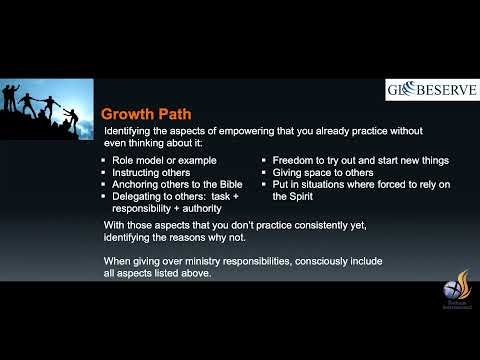
Melanie Hurlbut on growing initiative in new disciples.
 LEARN
From Hearer of the Word to Doer
Tim Freeman's closing session: putting the seminar into practice.